Why Princess Charlotte Has Become a Public Favorite – and Why Some Wish to See Her as Queen One Day
In the world of royalty, traditions run deep, and the rules of succession have long dictated who will one day wear the crown. Yet among royal fans and watchers, a new trend is emerging—one where Princess Charlotte, the spirited and confident daughter of Prince William and Princess Catherine, is gaining immense popularity. Many people have even expressed the wish that she could one day become Queen instead of her elder brother, Prince George. While that dream doesn’t align with the current royal laws, it highlights the powerful charm and presence Charlotte already holds in the public eye.
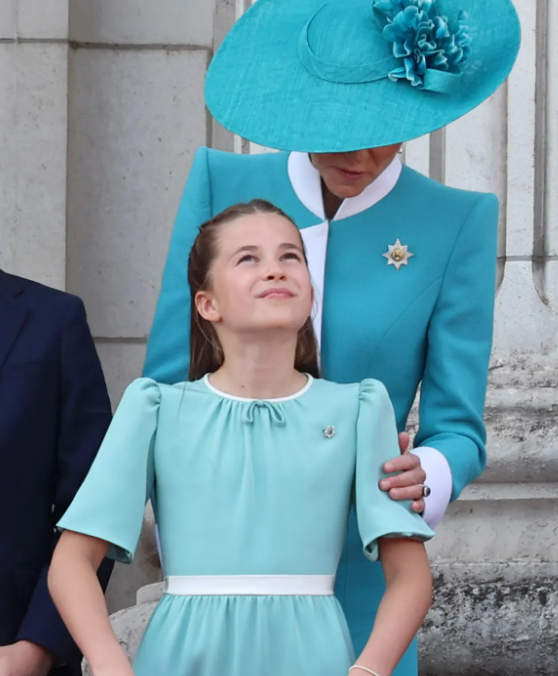
A Sparkling Personality That Captures Hearts
Princess Charlotte is often described as fearless, witty, and authentic. Her cheeky expressions, confident wave, and even the occasional playful moment (like sticking her tongue out at the crowd during a public appearance) have made her instantly relatable. She seems completely at ease in front of large audiences and flashing cameras—rare traits for someone so young, especially in the spotlight-heavy world of royalty.
Many people see her as having an innate charisma—something that can’t be taught. That special sparkle has drawn comparisons to iconic figures like Princess Diana, who was adored globally for her natural warmth and connection with people.
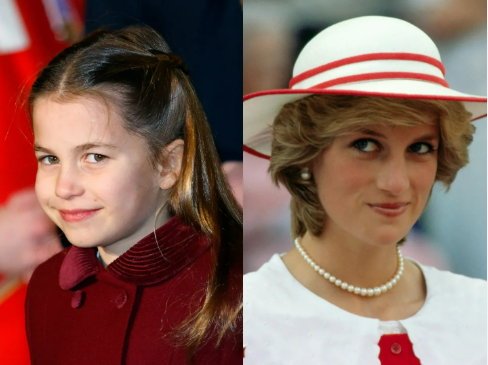
A Natural Leader in the Making
From an early age, Princess Charlotte has shown signs of being a natural leader. At family outings and royal events, she often appears confident, organized, and even a bit bossy—in the best way. She’s been seen guiding her brothers, reminding Prince George to bow, and walking proudly alongside her parents with a clear sense of duty.
People admire that she seems to understand her role, even as a child, and carries herself with a sense of maturity and purpose. Many fans believe these are early signs of the qualities needed in a great monarch—decisiveness, confidence, and presence.
A Perfect Blend of Royal Elegance and Relatability
Charlotte possesses a rare balance: she maintains the poise expected of a royal while also seeming like a typical, fun-loving child. Her passion for dancing, her school interests, and her playful moments with siblings remind people that she’s grounded, just like any other young girl. This relatability makes her even more lovable to the public.
She also shares a striking resemblance to her great-grandmother, Queen Elizabeth II, which adds to the fascination. Many royal watchers believe she may grow up to inherit not just looks but the same sense of duty and strength that defined the late Queen’s legacy.
She Represents the Changing Face of the Monarchy
Charlotte was born just after the royal family updated its laws to allow equal succession rights for women, meaning she kept her place in the line of succession even after the birth of her younger brother, Prince Louis. That reform resonated with many people who view Charlotte as a symbol of progress and gender equality within an ancient institution.
This symbolic importance contributes to the idea of Charlotte being a “modern queen”—someone who could carry tradition into the future while staying in touch with contemporary values.
Her Bond With the Public Is Already Strong
It’s not just her family that adores her—the public feels deeply connected to her as well. Every photo, every video, every interaction she has during royal engagements is quickly shared and adored online. She trends on social media after nearly every appearance, with people commenting on her confidence, humor, or style.
Fans often say she “lights up the room” or steals the show, no matter who else is present. That rare ability to win over crowds effortlessly is a major reason why so many people believe she’d make a wonderful queen one day.
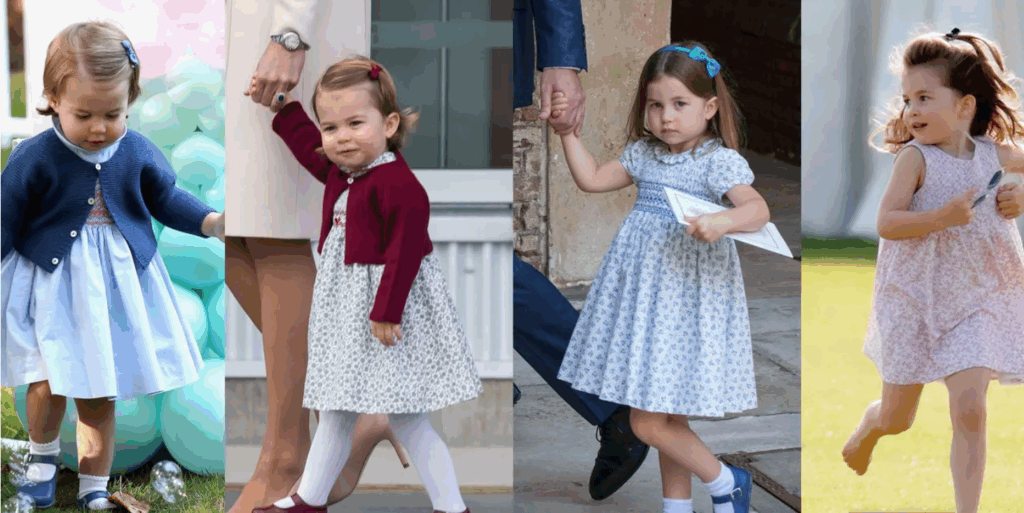
But Royal Succession Remains Firm
Despite the growing admiration, royal tradition remains clear: the line of succession places the firstborn child—regardless of gender—first in line. In 2013, the British monarchy adopted absolute primogeniture, which means the oldest child inherits the throne whether male or female. That change was a historic step for gender equality. However, since Prince George was born before Charlotte, he remains second in line to the throne, following his father, Prince William.
A Role That Will Still Be Vital
Even if Charlotte never becomes Queen, her role in shaping the future of the monarchy is likely to be huge. Whether as a senior royal, ambassador, or cultural icon, she will be one of the most visible faces of the next royal generation. And based on her confident and joyful presence so far, there’s little doubt she’ll shine in whatever role she takes on.
Related Posts
-
 EMOTIONAL VISIT: William and Catherine Bring George, Charlotte, Louis to Granny Diana’s Grave on 28th Anniversary – Heartbreaking Tribute STUNS Millions
 -
 “I Don’t Have Time Anymore.” as He Abruptly Took off the Royal Signet Ring and Handed It to William, King Charles’s Raspy Voice Reverberated Throughout Buckingham Palace, Leaving the Court in Startled Stillness. Camilla Took a Silent Step Back, and Catherine Bowed, Tears Streaming Down Her White Sleeve. No Official Proclamation or Coronation Took Place, but the King’s Final Words and One Gesture Left the Entire Monarchy Stunned—Details Are Provided Here.
 -
 King Charles’ UNEXPECTED DECISION to Gift William and Catherine A GRAND New House – Inside the Future King and Queen’s New Estate STUNS Royal Fans
 - Prince George Turns 12 with a Royal First — Takes Solo Helicopter Flight to Honor Family Tradition!
About The Author