Grenada Breaks Tradition: Oath of Allegiance to King Charles Removed in Historic Move
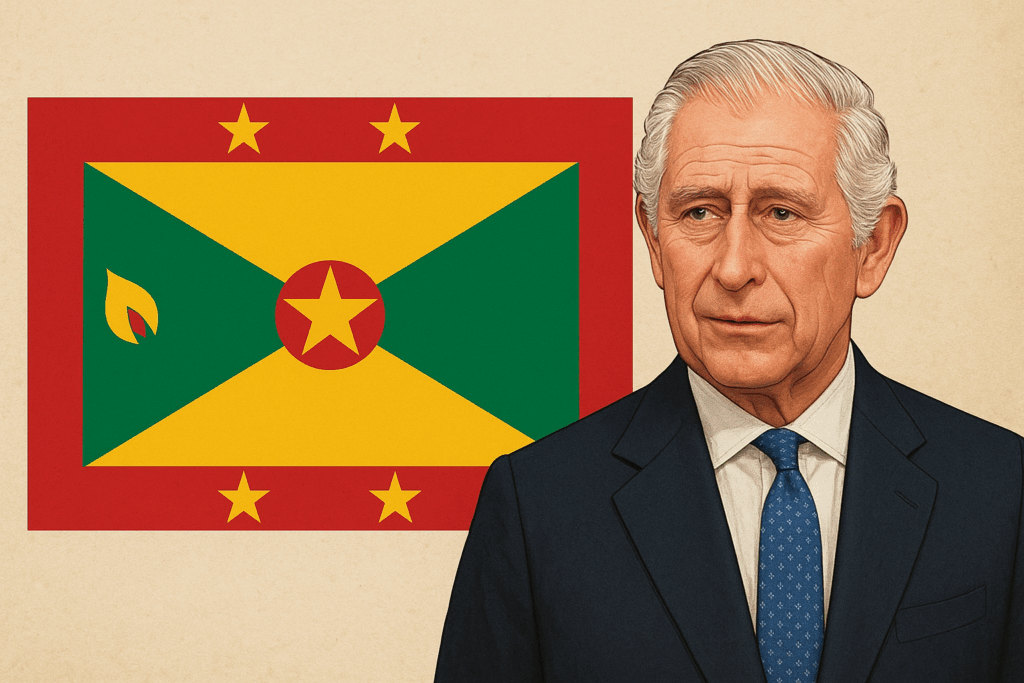
On August 1, 2025, the small Caribbean nation of Grenada made a historic move by amending its constitution to remove the British monarch from the official oath of allegiance. From that day forward, all public officials, government appointees, judges, parliamentarians, and new citizens will swear allegiance solely to the State of Grenada, rather than to “His Majesty King Charles III and his heirs and successors.”
This change marks one of the most significant constitutional shifts in decades for the country, which, although independent since 1974, still recognizes the British monarch as its formal head of state. Until now, the oath of allegiance was a symbolic act in which all elected and appointed officials pledged loyalty to the British Crown.
How the Change Happened
The decision came after the Grenadian Parliament unanimously voted in favor of constitutional amendments, which were signed into law by the Governor-General, the King’s representative, on July 31, 2025. This was a rare occasion where both the government and the opposition worked together without political division.
Prime Minister Dickon Mitchell, speaking after the vote, stated that it was illogical for elected representatives of the people to swear loyalty to a foreign monarch instead of their own citizens. “It is not reasonable for those who are elected to serve the people to swear allegiance to the King, rather than to the citizens and the State,” Mitchell said.
He emphasized that this change does not mean a break in diplomatic relations or departure from the Commonwealth, but rather a symbolic yet important reaffirmation of Grenada’s sovereignty.
Symbolism and Significance
While some may see this as a small formal change, in the context of the Caribbean’s post-colonial history, such moves carry deep meaning. The oath to the monarch was a direct remnant of the colonial era, when Britain ruled the island.
Removing the monarch from the oath is seen as part of a broader process of “decolonizing” institutions. Similar debates are already taking place in other regional nations like Jamaica, Antigua and Barbuda, and Belize, which are also considering constitutional reforms to become republics.
Public Reaction
The decision was welcomed by the majority of Grenadians, particularly among younger generations who view the monarchy as a relic of the past. Many took to social media to express pride that the country’s oath will now be fully dedicated to its people.
However, a smaller number of critics, mostly from older generations, argued that the monarchy is part of Grenada’s history and tradition, and that symbolic ties to the British Crown bring stability and international prestige.
What Changes in Practice?
Under the new amendments, the wording of the oath will no longer include phrases such as “allegiance to His Majesty King Charles III, his heirs, and successors.” Instead, it will declare loyalty and service to “the people and the State of Grenada.”
This applies to:
- Members of Parliament and ministers
- Judges and judicial officers
- Members of state commissions
- Citizens acquiring Grenadian nationality
Although the King remains the formal head of state, his role in the daily governance of Grenada is purely ceremonial. This change further symbolizes the country’s loosening ties to the British monarchy.
Looking Ahead
This decision has sparked broader discussions in Grenada about whether the nation should make a complete transition to a republican system with its own elected president as head of state. Prime Minister Mitchell has stated that such a step would require a national referendum.
Many analysts believe that this move is a way for Grenada to gauge public opinion and international reactions, and if the response remains positive, a full break with the monarchy could be on the horizon in the coming years.
Conclusion
Grenada’s decision to remove the oath of allegiance to the British King is a small but significant step in the nation’s ongoing journey of defining its own identity. While the monarchy remains formally present, the symbolic change in the oath makes it clear which direction the country is moving — toward greater independence and sovereignty.
With this act, Grenada has sent a message to the entire Caribbean: the time of colonial symbols is slowly coming to an end, and the future belongs to nations that will chart their own course.
Related Posts
-
 “A YEAR, A DRESS, A GLOW-UP”: Princess Charlotte Wears the Same Dress to Wimbledon and Euro Final — But It’s Her Growth That Stole the Show
 -
 Princess Catherine and Her Father Steal the Spotlight at Wimbledon 2025
 -
 Princess Kate Stunning In Christian Dior Dress During The High Profile State Visit
 -
 Catherine STEALS ALL EYES in Stunning Flower Gown and Princess Diana’s Precious Jewelry Necklace That Meghan Markle NEVER HAD
About The Author