ROYAL B0MBSHELL: King Charles Leaves Royal Insiders STUNNED as He Honors Princess Catherine With a Historic Role — While Camilla Remains SILENT
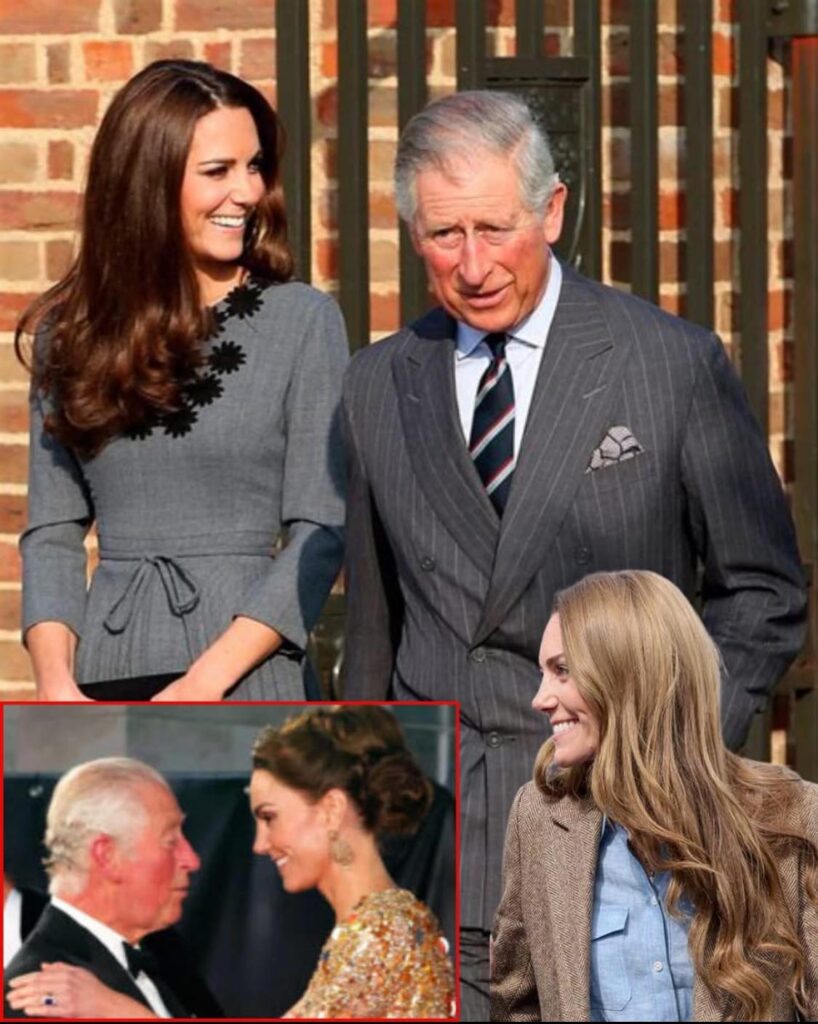
In a moment that has quietly, yet unmistakably, shaken the heart of the British monarchy, King Charles III has made a deeply symbolic and unprecedented move — one that many royal watchers are calling not just a gesture, but a quiet and deliberate shift in the balance of power within the House of Windsor.
Without any public announcement, televised ceremony, or even a subtle press release, the King has entrusted Princess Catherine, the Princess of Wales, with one of the most sacred privileges in royal tradition — the right to personally issue Royal Warrants.
Until now, this right was jealously guarded, historically reserved for the reigning monarch alone and, on rare occasions, extended to the Queen Consort. The warrant — often seen as a formal endorsement of suppliers to the Crown — might appear to outsiders as a ceremonial stamp. But within royal circles, it is an act of profound trust and recognition. It is a seal of influence. It is a silent declaration of one’s central role in the heart of the monarchy.
And yet, what has left even the most seasoned palace insiders raising their brows?
Queen Camilla was not included.
A Historic Honor, a Quiet Message
When the news first broke among the inner sanctum of royal staff, the reaction was described as “a ripple through still waters” — quiet but undeniable.
Those familiar with the inner workings of the Palace know that distributing this level of authority is more than an administrative choice. It is symbolic succession planning, a signal of who the King trusts to carry the crown’s image into the future.
A poised Princess of Wales — often seen on engagements exuding a quiet, serene confidence — has increasingly become the calm, reassuring face of the monarchy’s future. Her presence speaks to continuity, dignity, and an almost unshakable composure, traits that have only grown in importance as Britain navigates a period of shifting public attitudes towards the royal family.
“It’s Catherine’s grace. Her loyalty. The way she carries herself — the public sees her as the heart of the future monarchy,” one palace aide confided, their voice low, as if afraid to speak too boldly on the matter.
Camilla’s Absence — A Noticeable Omission
Queen Camilla’s exclusion from this honor is particularly striking given her visible role since Charles ascended the throne. She has accompanied him on countless engagements, represented the Crown at major events, and taken on ceremonial duties that placed her at the forefront of royal life.
And yet, according to sources, Camilla was “informed, not consulted” about the decision.
Those words — brief but telling — hint at a deeper truth. In royal protocol, being informed without consultation often means the decision was not up for debate. It was final before the conversation began.
Adding to the intrigue is the Queen Consort’s recent absence from several high-profile engagements. While official explanations cite personal rest and a lighter schedule, whispers within court circles suggest a more complicated reality. One longtime courtier commented, “It’s never just about the diary. It’s about the message.”
Catherine: The Steady Star
Catherine’s rise has been unlike any other modern royal. Her path has never been paved with drama or abrupt grabs for attention. Instead, she has cultivated a reputation built on steadfast dedication, grace under pressure, and an uncanny ability to bridge the gap between royal tradition and modern expectation.
In recent months, following her health challenges and temporary step back from public duties, Catherine returned with the same calm focus that has defined her for over a decade. Far from being weakened by her absence, her reappearance seemed to amplify her public support — as if absence had made the heart of the nation grow fonder.
“She doesn’t ask for power. She earns it,” said one veteran royal correspondent.
The King, known for his meticulous and often strategic approach, appears to have recognized this truth. By granting her the authority of the Royal Warrant, he has elevated her beyond her ceremonial role and into the machinery of royal influence. It is an act many see as a quiet endorsement of her as the monarchy’s future anchor.
The Public’s Verdict: “She’s Already Our Queen”
The British public has spoken — and in the language of hashtags and heartfelt tributes, their message could not be clearer.
Within hours of the news circulating, royal fan pages and mainstream outlets alike were flooded with comments such as:
- “Catherine deserves this more than anyone.”
- “She is the true legacy of Diana.”
- “This is the future we want for the monarchy.”
#QueenCatherine, #RoyalHonor, and #CatherineDeservesThis began trending within hours, creating a wave of digital coronation that no official proclamation could outshine.
In many ways, this decision seems to confirm what the public already believes: Catherine is not just the Princess of Wales — she is the Queen-in-waiting.
What the Royal Warrant Really Means
For centuries, the Royal Warrant has been more than just a business endorsement — it has been a visible symbol of royal favor. From Savile Row tailors to renowned jewellers and even household tea brands, companies that carry the Warrant are instantly elevated in prestige.
By entrusting Catherine with the ability to grant such honors, King Charles is effectively positioning her as a key guardian of royal taste, tradition, and credibility. This is not a decorative title — it is a working role with influence over how the Crown is perceived globally.
And in a monarchy increasingly judged by both tradition and relevance, the choice of who holds that power speaks volumes.
The Palace’s Delicate Balance
What makes this move even more fascinating is the subtle chess game playing out behind the palace walls. The monarchy is, at its core, an institution built on perception, unity, and careful succession planning.
To give this authority to Catherine without extending it to Camilla — the current Queen Consort — risks whispers of division, but it also sends a quiet reassurance to the public that the monarchy’s long-term future is in trusted hands.
As one historian of the Crown observed:
“It’s a masterstroke in subtlety. The King has reassured the future without openly undermining the present.”
A Sign of Things to Come?
Whether this was an isolated gesture or the first of several moves to shift public and institutional trust towards the Prince and Princess of Wales remains to be seen. But one thing is certain: this moment will be remembered.
It will be remembered as the day when the King, without speeches or fanfare, quietly handed a piece of his royal authority to the woman the nation already sees as its future Queen — and in doing so, perhaps revealed more about his vision for the monarchy than any formal address could convey.
For Catherine, it is another chapter in a journey defined not by how loudly she has spoken, but by how deeply she has been heard.
Related Posts
-
 Princess Kate takes charge in guiding Prince George as he begins to embrace his future role as king.
 -
 It wasn’t just a MATCHING DRESS — Princess Charlotte’s outfit quietly echoed a memory Princess Kate holds close
 - Palace CONFIRMED: Prince William and Princess Catherine of Wales Take Centre Stage In The Monarchy Amid King Charles’s Health Concerns
-
 28 years on… and still, the memory of Diana moves the strongest hearts Princess Anne’s unannounced, private visit to her sister-in-law’s grave has stunned many. She stood quietly, laid down white roses, and departed with dignity — no press, no spectacle. But when a single remark she made at the site was revealed, people across Britain wept
About The Author